Snowmobile Pre-Season Checklist: Get Ready for Winter in Ontario

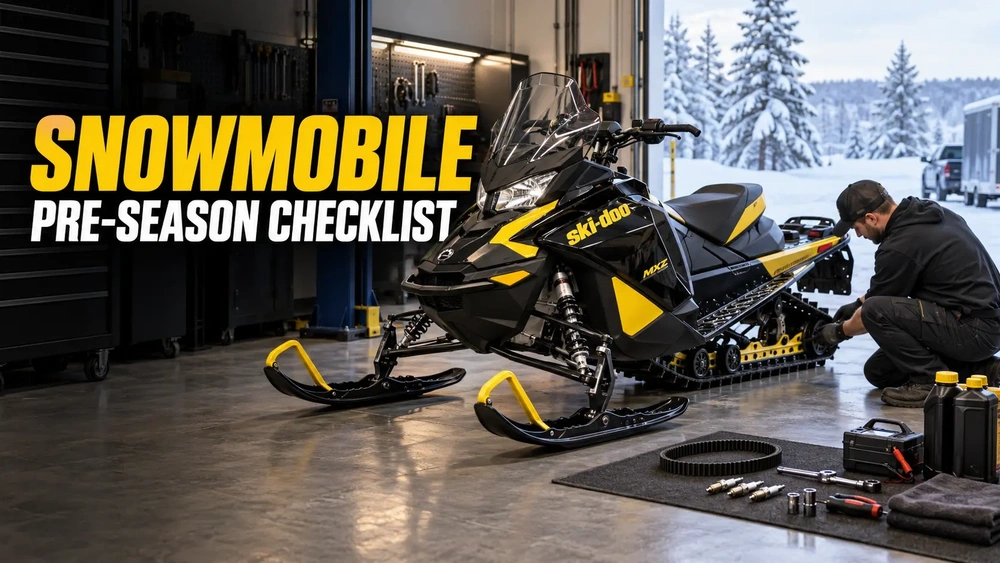
The first snowfall of the season can arrive quickly in Ontario. Before heading to the trails, take the time to make sure your snowmobile is properly maintained, safe and ready to ride.
A thorough snowmobile pre-season inspection can identify worn components, weak batteries, damaged belts and other problems before they leave you stranded. It also gives you time to order replacement parts or schedule service before dealerships become busy.
This snowmobile pre-season checklist covers the most important areas to inspect, including the engine, fluids, drive belt, track, suspension, skis, carbides, battery and safety equipment.
If you would prefer to have your sled professionally inspected, the service department at Cartronics Powersports in Kingston can help prepare your Ski-Doo or Lynx snowmobile for the upcoming Ontario riding season.
When Should You Prepare Your Snowmobile for Winter?
Begin preparing your snowmobile several weeks before you expect to ride.
For many Ontario riders, September through November is a good time to perform preseason maintenance. Starting early gives you time to address any problems discovered during the inspection.
Do not wait until the first major snowfall. When snow arrives, service departments become busier and commonly needed parts may be in higher demand.
Your first inspection of the season should be more comprehensive than the quick pre-ride inspection you perform before each outing.
Why Is a Snowmobile Pre-Season Inspection Important?
Snowmobiles can sit unused for several months. Even if your sled was properly prepared for summer storage, components can deteriorate or develop problems while it is parked.
Possible preseason concerns include:
- A battery that no longer holds a charge
- Corroded or loose electrical connections
- Deteriorated fuel
- A worn or damaged drive belt
- Improper track tension or alignment
- Worn carbides or slider shoes
- Fluid leaks
- Rodent nests or blocked exhaust openings
- Loose fasteners
- Cracked fuel lines
- Faulty lights or safety switches
Finding these problems in the garage is much better than discovering them kilometres away from home on a cold winter day.
Complete Snowmobile Pre-Season Checklist
Maintenance requirements vary by model, engine and year. Consult the operator’s guide for your snowmobile before performing adjustments or replacing fluids.
1. Remove the Cover and Inspect the Snowmobile
Start with a complete visual inspection in a well-lit garage or workshop.
Look around and underneath the snowmobile for:
- Oil, coolant or brake-fluid leaks
- Loose wires or damaged connections
- Cracked hoses or fuel lines
- Corrosion
- Missing fasteners
- Damage to body panels
- Signs of rodents or nesting material
- Obstructions in the exhaust outlet
- Damage that may have occurred during storage
Pay particular attention to the engine compartment, exhaust area and air-intake openings. Animals sometimes build nests inside stored vehicles, even when the snowmobile is covered.
If you notice a strong fuel smell or visible leakage, do not attempt to start the engine until the problem has been identified.
2. Check the Handlebars and Steering
Turn the handlebars fully to the left and right. They should move freely without binding or excessive play.
Inspect:
- Handlebar grips
- Steering linkages
- Tie rods
- Steering boots
- Throttle block
- Brake lever assembly
- Visible fasteners
The skis should respond smoothly as the handlebars are turned. Loose, damaged or binding steering components should be repaired before the snowmobile is ridden.
3. Test the Throttle and Brake Controls
With the engine off, press and release the throttle lever. It should move smoothly and quickly return to its normal position when released.
A throttle that sticks, moves slowly or does not return correctly is a serious safety concern.
Squeeze the brake lever and make sure it feels firm. A brake lever that feels unusually soft, spongy or pulls too close to the handlebar may indicate a problem with the braking system.
Also inspect the parking-brake mechanism if your snowmobile is equipped with one.
4. Inspect and Charge the Battery
If your snowmobile has electric start, inspect the battery before the cold weather arrives.
Check for:
- A low state of charge
- Corrosion around the terminals
- Loose terminal connections
- Cracks or swelling in the battery case
- Damaged battery cables
- A battery that quickly loses its charge
Fully charge the battery using a charger or maintainer suitable for its specific type. Cold weather reduces battery performance, so a marginal battery may work in the garage but fail during a particularly cold morning.
Replace the battery if it is damaged or can no longer hold a reliable charge.
5. Inspect the Fuel System
If the sled was properly prepared for summer storage, the fuel should have been treated according to the manufacturer’s recommendations.
Before starting the engine:
- Inspect the fuel tank and cap.
- Look for cracked or deteriorated fuel lines.
- Check connections for leakage.
- Confirm that the fuel is not contaminated.
- Watch for unusual fuel odours.
- Add fresh fuel of the grade recommended for your engine.
Fuel requirements can differ between engines. Consult the operator’s guide before selecting an octane level or adding any fuel treatment.
6. Check Engine Oil and Coolant
The correct procedure depends on whether your snowmobile has a two-stroke or four-stroke engine.
Two-stroke snowmobiles
Check the injection-oil reservoir and top it up with the oil recommended for your engine. Do not mix incompatible oil types unless the manufacturer confirms they are compatible.
Inspect the reservoir, cap, lines and surrounding area for leakage.
Four-stroke snowmobiles
Four-stroke engines require periodic engine-oil and filter changes. If the service was not performed before summer storage, it may be due before the first ride.
Check the engine-oil level using the procedure described in the operator’s guide. Oil-level procedures can differ between engines, so do not assume every four-stroke snowmobile is checked the same way.
Engine coolant
Check the coolant level when the engine is cold. Inspect visible hoses, clamps and connections for leaks or deterioration.
Use only coolant meeting the specifications listed for your snowmobile.
7. Inspect the Chaincase
Check the chaincase oil and service interval listed in your operator’s guide. If the oil was not changed before storage and is due for replacement, have it changed before riding.
Chain tension should also be checked and adjusted according to the model-specific procedure.
Improper chain tension or low chaincase oil can contribute to premature wear and drivetrain problems. If you are not familiar with chaincase maintenance, this is a good job to leave to an experienced technician.
8. Inspect the Drive Belt
Remove and inspect the drive belt according to the instructions for your snowmobile.
Look for:
- Cracks
- Glazing or shiny surfaces
- Frayed edge cords
- Missing cogs
- Uneven wear
- Separation between belt layers
- Excessive narrowing
- Signs of overheating
The belt must also sit at the correct height in the secondary clutch and have the appropriate deflection.
A worn belt can reduce performance or fail unexpectedly. Carrying a properly sized spare belt and the tools needed to install it is recommended, particularly for longer rides.
Do not touch the belt or clutch system while the engine is running.
9. Examine the Track
Inspect the entire track for visible damage.
Look for:
- Missing or damaged lugs
- Tears and cuts
- Exposed cords
- Holes
- Broken clips
- Damage around studs, if equipped
- Uneven wear
- Signs of contact with other components
Track tension and alignment should be checked according to the operator’s guide. Incorrect track tension can affect handling, performance, slider wear and fuel consumption.
Track adjustments must be completed carefully and evenly. If you are uncertain about the correct measurement or adjustment procedure, have it checked professionally.
10. Inspect the Rear Suspension
The rear suspension works hard on Ontario trails and should receive a detailed inspection before the season.
Check the following components:
Rear idler wheels
Inspect the rubber for cracks, missing pieces or other damage. Each wheel should turn freely without excessive looseness or roughness.
Slider shoes
Slider shoes, commonly called sliders or hyfax, protect the suspension rails. Inspect them along their entire length.
If they have reached or passed their wear indicators, they should be replaced before riding.
Suspension arms and linkages
Look for bent parts, cracks, loose fasteners or other visible damage. Lubricate the recommended grease fittings using a suitable low-temperature suspension grease.
Shocks
Inspect the shocks for damage or fluid leaking around the seals. A leaking or damaged shock can affect handling and ride quality.
Limiter straps
Examine the limiter straps for fraying, cracking or damage.
Ice scratchers
If equipped, inspect the scratchers for damage and confirm that they extend and retract correctly.
11. Inspect the Skis and Carbides
Check the bottom of each ski for cracks, gouges or excessive wear.
Inspect the runners and carbides for:
- Bent components
- Missing carbide sections
- Uneven wear
- Loose mounting hardware
- Excessive deterioration
Worn carbides can reduce steering response, especially on hard-packed or icy trails. Ski alignment should also be checked against the specifications in the operator’s guide.
Avoid guessing at ski-alignment measurements. The correct setting can depend on the snowmobile and suspension configuration.
12. Check the Exhaust System
Inspect the exhaust system for:
- Loose connections
- Cracks
- Corrosion
- Damaged springs
- Missing hardware
- Obstructions in the outlet
- Signs of leakage
Make sure no cloths, plugs or protective materials used during summer storage remain in the intake or exhaust system.
Exhaust leaks can affect performance and allow fumes or excessive heat into areas where they do not belong.
13. Inspect Lights and Electrical Systems
Once it is safe to start the snowmobile, verify that the electrical equipment operates properly.
Test:
- Low-beam headlights
- High-beam headlights
- Taillight
- Brake light
- Gauge display
- Heated grips
- Thumb warmer
- Electric start
- Accessory connections
Watch the display for warning lights, fault codes or unusual messages.
Lighting is especially important during winter because riders frequently encounter darkness, blowing snow and reduced visibility.
14. Test the Safety Systems
The engine stop switch and tether cord are essential safety devices.
Test both systems in a safe, well-ventilated area and confirm that they shut off the engine immediately. Inspect the tether cord and attachment point for damage.
Never operate a snowmobile when the tether, stop switch, throttle or brakes are not functioning properly.
15. Check the Trailer
Your snowmobile may be ready to ride, but it will not be going anywhere if the trailer has a flat tire or faulty wheel bearing.
Inspect:
- Trailer tires and pressure
- Wheel bearings and hubs
- Lug nuts
- Lights and wiring
- Safety chains
- Coupler
- Tie-down points
- Ramp or tilt mechanism
- Trailer registration and licence plate
Confirm that your tie-down straps are in good condition and rated appropriately for the snowmobile.
16. Review Your Riding Gear and Emergency Supplies
Inspect your helmet, clothing and emergency equipment before the season begins.
A basic snowmobile safety kit may include:
- Spare drive belt
- Manufacturer-provided tool kit
- Tow strap
- Flashlight or headlamp
- First-aid kit
- Fire-starting supplies
- Emergency blanket
- Water and high-energy snacks
- Portable charger or power bank
- Extra gloves
- Basic replacement hardware
- Traction or recovery equipment
- Paper map as a backup
Check that your helmet is undamaged and that the visor, ventilation and electrical connections work correctly.
17. Confirm Your Documents and Trail Access
Before heading out, confirm that your registration, insurance and any required trail permits are current.
Trail availability and conditions can change throughout the winter. Check the appropriate local trail information before every ride and never assume a trail is open simply because there is snow on the ground.
Let someone know your planned route and expected return time, especially when riding alone or travelling into less populated areas.
18. Perform a Safe Test Start
After completing the inspection, move the snowmobile to a well-ventilated location before starting it. Never run a snowmobile engine in a closed garage.
Listen for:
- Unusual knocking or rattling
- Belt squealing
- Exhaust leaks
- Irregular idle
- Warning indicators
- Unexpected vibration
Allow the engine to warm according to the operator’s guide. Once conditions permit, perform a short and slow test ride in a safe area.
Test the throttle, steering and brakes before committing to a longer trail ride.
Quick Snowmobile Pre-Season Checklist
Before your first ride, confirm that you have checked:
- Fuel and fuel lines
- Two-stroke injection oil or four-stroke engine oil
- Engine coolant
- Chaincase oil and chain tension
- Drive belt condition and deflection
- Battery and electrical connections
- Throttle and brake operation
- Track condition, tension and alignment
- Slider shoes and idler wheels
- Rear suspension and shocks
- Skis, runners and carbides
- Steering movement and alignment
- Headlights, taillight and brake light
- Engine stop switch and tether
- Exhaust and air-intake openings
- Fluid leaks and loose fasteners
- Trailer tires, bearings and lights
- Riding gear and emergency supplies
- Registration, insurance and trail permits
DIY vs. Professional Snowmobile Pre-Season Service
Many owners can complete basic inspections at home. However, some maintenance requires model-specific measurements, specialized tools and mechanical experience.
Professional preseason service may be a good choice if:
- The snowmobile has not been serviced recently.
- You purchased a used sled without complete maintenance records.
- The engine is difficult to start.
- You notice fluid leaks or unusual noises.
- The track requires adjustment.
- The drive belt or clutch system shows unusual wear.
- The steering or suspension feels loose.
- A warning light or fault code appears.
- You are unsure which fluids or parts your model requires.
- You want greater confidence before the season begins.
A professional inspection can also identify developing problems that may not be obvious during a basic visual check.
Snowmobile Service in Kingston, Ontario
Cartronics Powersports can help prepare your Ski-Doo or Lynx snowmobile for the upcoming Ontario winter.
Our service department can inspect your snowmobile, identify maintenance needs and help make sure it is ready before the trails open. Getting the work completed early can also help you avoid the seasonal rush that arrives with the first major snowfall.
Contact Cartronics Powersports for current snowmobile service availability and to discuss the needs of your particular model.
Frequently Asked Questions
When should I get my snowmobile serviced before winter?
Schedule preseason service several weeks before you expect to ride. Early fall is an ideal time because it leaves time for inspection, parts ordering and repairs.
Does a snowmobile need service every year?
Annual maintenance is recommended, but the required work depends on the model, engine, mileage and previous service history. Follow the maintenance schedule in your operator’s guide.
How do I know if my snowmobile belt needs replacement?
Replace a belt showing cracks, glazing, frayed cords, separation, missing cogs or excessive wear. A belt that has become noticeably narrower or causes unusual performance should also be inspected.
How do I know if my snowmobile sliders are worn?
Snowmobile sliders normally have a wear indicator. If the slider has reached or passed that indicator anywhere along its length, it should be replaced.
Should I carry a spare drive belt?
Yes. A properly sized spare drive belt can prevent a relatively simple failure from leaving you stranded. Make sure you also understand how to install it safely.
Can I complete a snowmobile preseason inspection myself?
You can perform many visual checks yourself if you understand your snowmobile and follow its operator’s guide. Adjustments involving the track, clutch, chaincase, steering, suspension or braking system may be better handled professionally.
Is a preseason inspection the same as a pre-ride inspection?
No. A preseason inspection is a comprehensive annual check completed before winter. A pre-ride inspection is a shorter safety check that should be performed before every outing.
Book Snowmobile Service at Cartronics Powersports
Do not wait for the first big snowfall to discover that your snowmobile needs a belt, battery or repair.
Contact the service department at Cartronics Powersports to have your Ski-Doo or Lynx inspected and prepared for winter.
Cartronics Powersports is located at 538 O’Connor Drive in Kingston, Ontario, serving snowmobile riders from Kingston, Napanee, Belleville, Brockville, Gananoque and communities throughout Eastern Ontario. Give us a call at 613-634-8044